
Secaucus Previous Residents by Era
Different Secaucus records cover different portions of a Secaucus address history. Begin with the source that fits the period you are investigating, then use the Secaucus parcel information to connect it to the next source. Several year ranges below have a documented limit or a research gap. Those limits matter: an absent online result does not prove that an earlier record never existed.
| Source | Years it covers | Where held | What it can show |
|---|---|---|---|
| Current Secaucus parcel and MOD-IV data | Current annual tax cycle; update year varies | NJ Property Explorer or Secaucus municipal assessor | PIN, block, lot, geometry, and assessment context; statewide owner data can be redacted |
| Hudson Register Secaucus index | Beginning year not published through the current portal | AcclaimWeb and Hudson County Register | Secaucus parties, legal description, instrument, and record date |
| Older Secaucus deed books and indexes | Pre-online period, exact range not published | Register, archives, or microfilm route | Earlier Secaucus conveyances and office-copy path |
| Jersey City and Hoboken directories | 1849-1925 published run | JCFPL New Jersey Room | Historical names and addresses; check each volume for Secaucus inclusion |
| Secaucus News | 1910-2016 | Secaucus Library digital archive | Moves, notices, obituaries, civic items, and property context |
| Hudson Observer and Jersey Observer | 1904-1951 title history | JCFPL microfilm and HCGHS index | Death notices and family or last-address leads |
| Federal census | 1900-1950 released | National Archives and partner access | Secaucus household details at the enumeration date |
| Secaucus permit files | Historical result years not published | Secaucus Construction, Engineering, or OPRA | Building, alteration, occupancy, and site-work evidence |
| Secaucus Sanborn maps | Exact Secaucus editions not located | Library of Congress and archive search | Secaucus building and street context, not occupants |
The Register’s online cutoff and image fees are not stated on its landing page, and a verified year-by-year Secaucus local reverse-directory run was not found. For those Secaucus gaps, use the Register counter, the archive or library catalog, and reference assistance rather than assigning a made-up coverage date.
Freeze a Secaucus Parcel
Before looking for past residents, preserve the present-day Secaucus parcel data for a Secaucus address. Search each Secaucus address in New Jersey Property Explorer by address, Hudson County, the Secaucus municipality, block, or lot. Record the Secaucus situs, Secaucus tax mailing address, block, lot, and PIN. The Secaucus map helps identify the geometry, but statewide hosted parcel and tax data can redact an owner’s name under Daniel’s Law. The Secaucus municipal assessor or Secaucus tax record is the route for the current official owner field when one is available.
Keep three identifiers in every Secaucus note: situs address, mailing address, and legal description. A situs is the location of a Secaucus parcel in Secaucus. A mailing address on a Secaucus tax record is where correspondence goes and may not be a residence. The Secaucus legal description can use block, lot, municipality, subdivision, tract, or metes and bounds, and it is the key that often survives a renumbered Secaucus street.
Search the FamilySearch New Jersey collection list for historical record sets that can fill a family or vital-record gap after the parcel trail identifies a name.
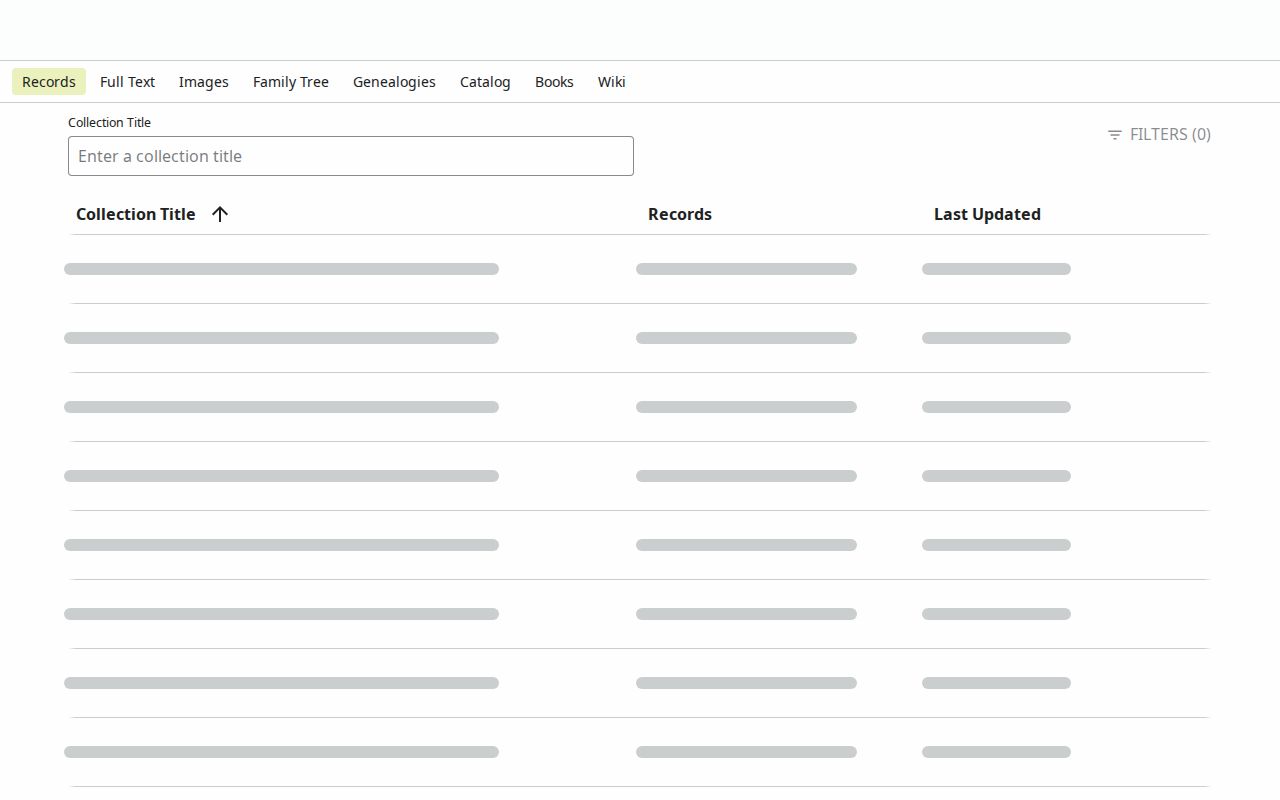
FamilySearch lists New Jersey county marriages, naturalization records, church records, and birth and death material among its collections. Coverage and image access vary, and the exact Hudson County deed collection was not verified. Sign in, inspect the catalog or collection details, and confirm whether images need a FamilySearch Center or affiliate library.
Trace Secaucus Previous Residents
The Secaucus deed chain is the backbone for past owners. Search the Hudson Register AcclaimWeb index using the legal-description path for Secaucus municipality, block, lot, or address. If the instrument is filed by party rather than address, find the Secaucus assessed owner as grantee and compare the legal description. Copy the seller, recording date, book and page or instrument number, consideration, and each prior-reference citation before moving to the next record.
- Find the current Secaucus owner’s purchase deed as a grantee and verify that its block, lot, or legal description matches the parcel.
- Copy the grantor, the seller named in that Secaucus deed. Search that grantor as a grantee to locate the seller’s earlier purchase of the same property.
- Repeat the Secaucus grantee-to-grantor cycle, checking the parcel proof at every generation. A matching name alone is not enough.
- Follow a cited prior Secaucus deed, plat, easement, or subdivision reference when the current address disappears. A merged or subdivided tract may need a different legal description.
- Use the Register office, older deed books, archive or microfilm route when the online index does not reach the period needed. Request a copy or certified copy through the Register’s applicable process.
- Grantor and grantee
- The grantor transfers an interest in a recorded document; the grantee receives it. In a purchase deed, they are commonly the seller and buyer.
- Chain of title
- A sequence of recorded transfers connected through the same parcel or legal description.
- Criss-cross directory
- A directory arranged from address to occupant or subscriber for a specific published period.
- Enumeration district
- The census area assigned to an enumerator. Its boundaries and municipal label matter when matching an older Secaucus household.
A Secaucus estate, corporation, mortgage release, or sheriff sale needs extra care. Probate can help close a deceased owner’s gap, while an LLC can require a New Jersey business-record search. A release may be financing history, not a transfer. Confirm a Secaucus sheriff sale with the judgment, sale, and later deed before carrying the ownership line backward.
Secaucus Previous Residents Name Changes
Municipal labels are a critical continuity check. Secaucus was formed from North Bergen as a borough on March 12, 1900, and became a town on June 7, 1917. A pre-1900 address or family may be indexed under North Bergen. Records from 1900 through 1917 can use Secaucus Borough, while later records may use Secaucus Town. Enter every applicable label in a deed, directory, census, or newspaper search.
Secaucus street numbers also have limits. When a modern Secaucus number fails, return to the block, lot, plat, tract description, adjacent cross street, and the wording in the document. Secaucus’s Meadowlands setting and redevelopment history mean an earlier farm or tract description can outlast the current street name. Do not use a modern ZIP to narrow a historical Secaucus search, because ZIP codes did not exist in the directory and early census eras.
Secaucus Previous Residents in Directories
Secaucus directories address the household side of the question, which a deed alone cannot answer. The Jersey City Free Public Library New Jersey Room documents a complete published Jersey City and Hoboken directory run from 1849 through 1925. The series is not a Secaucus-only shelf, so verify that the target volume includes the relevant Secaucus municipality or Hudson County section. Record the publisher, edition year, page, and the printed form of the Secaucus address.
When the address is known, ask for a reverse or criss-cross volume first. It can lead from street number to an occupant or telephone subscriber. Then search the ordinary directory by surname and spelling variants. A typical historical entry may give a name, initials, family notation, address, and other printed context, but the exact notation depends on the volume’s key. Later reverse and telephone years were not published as a verified local year-by-year run.
The Secaucus Directory Book collects the local library and historical-publication routes without replacing the address-first work here.
Pair Secaucus Previous Residents
Pair a Secaucus directory date with the nearest released federal census, but do not merge the two without checking the details. Federal census schedules through 1950 are public under the 72-year rule. Relevant Secaucus releases include 1900, 1910, 1920, 1930, 1940, and 1950. A 1900 Secaucus household can be under North Bergen or a changed enumeration-district description, so read the county, municipality, and ED header as carefully as the household lines.
- Start with the target address and a narrow period, then copy the spelling and municipal label as printed in the directory.
- Find the person by surname and variants in the residential directory. Keep the source year and page with the address.
- Locate the nearest census schedule and compare address, age pattern, relatives, and other identity details before deciding it is the same household.
- Use the census enumeration date, not a rough decade label, in the timeline. The directory’s publication date may be close but is not the same event.
- Mark uncertainty when a nearby household differs. A similar name on the same street is a lead, not a confirmed identity.
The New Jersey State Archives is the state historical repository for Secaucus county records, vital collections, naturalizations, newspapers, and other pre-digital material. An archive catalog entry may use an earlier Secaucus municipal label.
Visit the New Jersey State Archives for the archive access and holdings information.
For Hudson County, the Archives describes original County Court of Common Pleas naturalizations from 1840 through 1948. Its historical vital holdings include births through 1925 and marriages and deaths through 1950, while newer state-held records follow their own restricted-copy rules. These are endpoint records, not a shortcut to a current address.
Secaucus Previous Residents in News
Newspapers can bridge the years between a deed and a directory. The Secaucus Library digital archive supports keyword work in Secaucus News issues from 1910 through 2016, along with documents and photographs. Search the name, initials, maiden name, street name, Secaucus Borough, Secaucus Town, and likely OCR errors. Capture the publication date and page image, then treat the item as evidence of publication rather than automatic proof that two same-named people are one person.
The Hudson Observer, Hudson Observer, and Jersey Observer title history runs from 1904 to 1951 before the merger into the Jersey Journal. The Hudson County Genealogical & Historical Society index supplies death-notice leads, while JCFPL has the paper on microfilm. The Jersey Journal index covers 1912-1954 and 1969-present, with a published index gap from 1955 through 1968. That is an index gap, not proof the paper stopped publishing.
Date Secaucus Previous Buildings
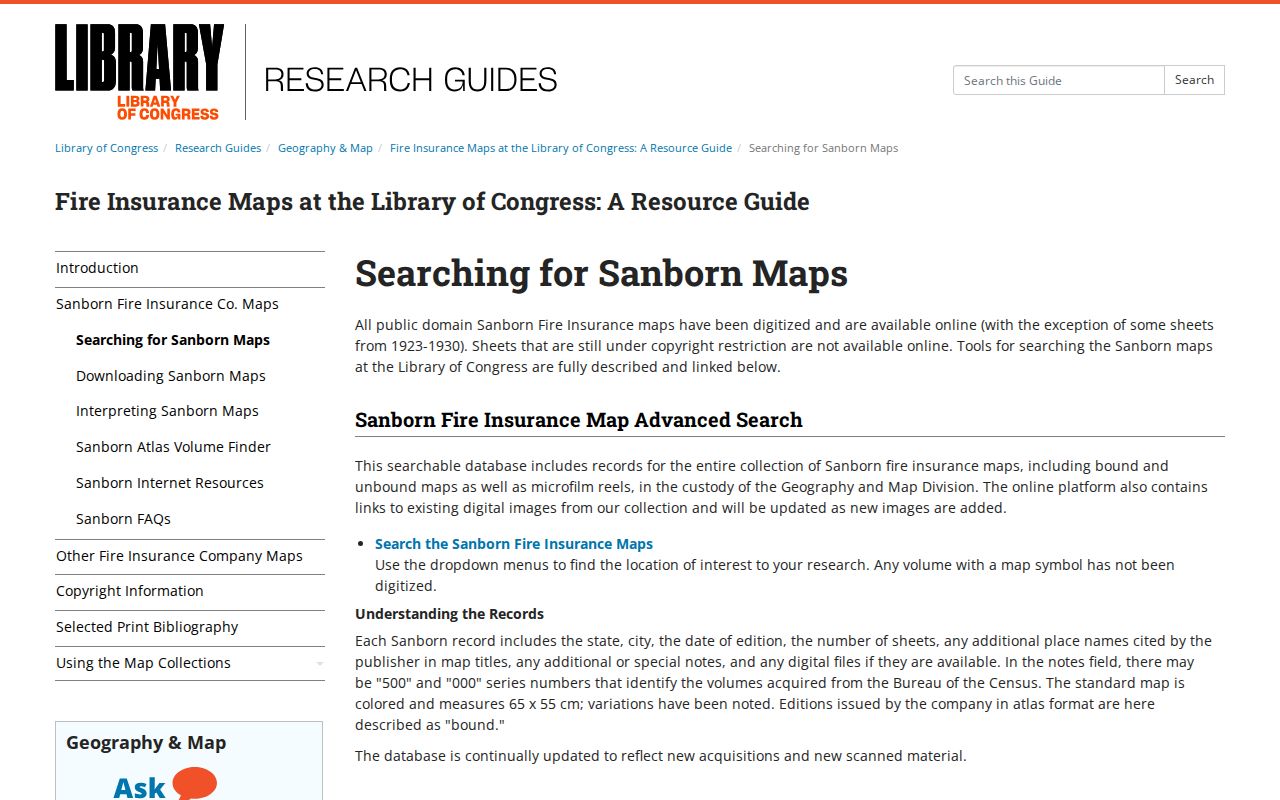
Sanborn maps help date a structure, not a resident. A map can show a building footprint, materials, use, street number, edition date, sheet count, and notes. Search every available Secaucus or Hudson County result by state, city, and edition, then compare the map with the parcel and deed chain. A building shown on a map may predate the visible improvement information on a tax card, but it does not establish a deed date or a person’s residence.
Use the Library of Congress Sanborn map search guide to work through the available search fields and edition details.
For address-specific building files, Secaucus Construction and Engineering are the local routes. The Construction document folder searches documents by title, category, and date, while a precise OPRA request can seek existing permits, inspections, certificates, zoning determinations, or complaints for a parcel and defined period. Engineering handles street-opening and zoning-certificate matters; NJSEA-subject applications follow a separate submission channel. The ordinary available-record baseline under OPRA is seven business days, with $0.05 letter-size and $0.07 legal-size copy charges and electronic records generally free.
Secaucus Previous Residents Limits
Previous residents research cannot produce a complete private household list. A tax owner may not live at the parcel. A dated directory only records what that edition printed. Census results need identity comparison, and vital records have eligibility and confidentiality rules. The Address Confidentiality Program and Daniel’s Law can produce lawful redactions or substitute addresses. DMV and utility customer data are not open household directories.
Lawful use. Trace a Secaucus address for family history, house history, heirs, or personal curiosity. Do not use historical or current records to stalk, harass, intimidate, or harm a living person.